
Get Wheelchair Ramp Construction in Buford, GA
Local contractors in Buford, GA, can build wheelchair ramps to improve accessibility for homes, businesses, and public spaces, solving mobility challenges.
For property owners in Buford, GA, considering a wheelchair ramp installation, it’s important to explore options that enhance accessibility and safety. Building a durable, well-designed ramp can make a significant difference for individuals with mobility challenges, allowing for easier entry and greater independence. Planning such projects involves evaluating different approaches, materials, and local service providers to find the best solution tailored to specific property layouts and needs.
As you research your options, connecting with experienced local contractors can provide valuable insights into the available construction services. Comparing different providers in Buford and nearby areas helps ensure that the project aligns with your practical requirements while meeting local standards. Continuing to explore your choices can lead to finding the right professionals capable of delivering reliable, functional wheelchair ramp solutions.
- Residential Wheelchair Ramp Installation - needed when homeowners in Buford, GA require accessible entryways for family members or visitors with mobility challenges.
- Commercial Wheelchair Ramp Construction - essential for businesses in neighborhoods like Sugar Hill or Suwanee to comply with accessibility standards for customers and employees.
- Temporary Wheelchair Ramps - useful for short-term needs during home renovations or events in local communities.
- Custom Wheelchair Ramp Design - appropriate when unique property layouts in Johns Creek or Duluth demand tailored solutions for safe access.
- Portable Wheelchair Ramps - suitable for individuals who need flexible, on-the-go access at various locations within the area.
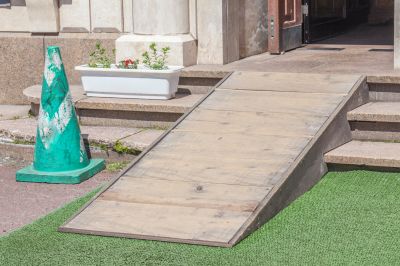
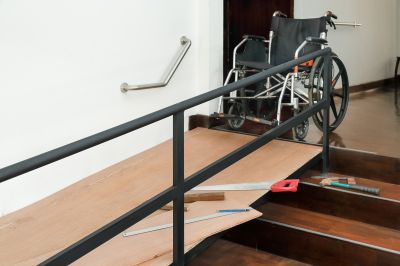
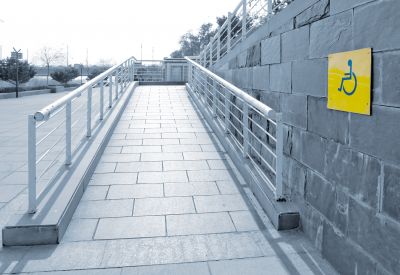
Wheelchair ramp construction services involve designing and building custom ramps that provide safe and accessible entry points for individuals who use wheelchairs, walkers, or have mobility challenges. These ramps are typically constructed using durable materials like wood, metal, or composite, and are tailored to fit the specific layout of a property. The process includes assessing the property’s entryways, planning the appropriate incline, and ensuring the ramp complies with basic safety standards. The goal is to create a smooth, stable surface that allows for easy navigation from the ground level to doorways or patios, improving independence and convenience for those with mobility needs.
These services help address common problems faced by homeowners and property managers when steps or uneven surfaces prevent easy access. Without a proper ramp, individuals may struggle to enter or exit their homes safely, increasing the risk of falls or injuries. Ramps also eliminate obstacles for wheelchair users, making it easier to access essential areas like front porches, garages, or backyard entrances. For families caring for elderly relatives or residents with temporary mobility issues, a well-constructed ramp can significantly enhance daily living and reduce the need for assistance or modifications that might be more invasive or costly.
Wheelchair ramp construction is often needed for residential properties, including single-family homes, apartment complexes, and condominiums. Many homeowners opt for ramps when building or renovating to accommodate family members, guests, or tenants with mobility challenges. Commercial properties, such as small businesses, community centers, or healthcare facilities, may also require ramps to ensure compliance with accessibility standards and to serve clients or visitors with disabilities. In all cases, the focus is on creating a safe, functional entryway that improves overall property accessibility and usability.
Working with experienced service providers ensures that ramps are built to suit the specific needs of each property. Local contractors can evaluate the terrain, entryway dimensions, and any existing structures to design a ramp that fits seamlessly into the property’s layout. They handle all aspects of the construction process, from planning and material selection to installation, ensuring that the finished product is sturdy and reliable. Contacting local pros is a practical step for property owners in Buford, GA, and nearby areas who want to improve accessibility and make their properties more welcoming for everyone.
The overview below groups typical Wheelchair Ramp Construction projects into broad ranges so you can see how smaller, mid-sized, and larger jobs often compare in Buford, GA.
In many markets, a large share of routine jobs stays in the lower and middle ranges, while only a smaller percentage of projects moves into the highest bands when the work is more complex or site conditions are harder than average.
Smaller Repairs - Typical costs for minor ramp repairs or modifications in Buford, GA, range from $250-$600. Many routine projects fall within this range, especially for simple adjustments or surface repairs. Fewer projects reach the higher end of this band unless additional work is needed.
Standard Ramp Installation - The cost to install a new wheelchair ramp usually falls between $1,200 and $3,000. Most local contractors handle these mid-sized projects within this range, depending on materials and length. Larger or more customized ramps can push costs higher, but they are less common.
Full Replacement or Custom Ramps - Replacing an existing ramp or building a custom, multi-level structure can cost from $4,000 to $8,000 or more. These projects are less frequent and typically involve complex design features or premium materials, which increase overall costs.
Large or Complex Projects - Extensive or highly specialized ramp constructions, such as those requiring significant grading or integration with existing structures, can exceed $10,000. Such projects are relatively rare and usually involve unique site challenges or advanced accessibility features.
Actual totals will depend on details like access to the work area, the scope of the project, and the materials selected, so use these as general starting points rather than exact figures.
Deck and Porch Construction - Building accessible ramps often involves similar planning, framing, and material selection as constructing decks and porches for outdoor spaces.
Concrete Flatwork - Creating smooth, level surfaces for wheelchair ramps requires expertise in pouring and finishing concrete, similar to other flatwork projects.
Staircase and Step Installation - Designing and constructing safe, accessible steps shares skills related to precise measurements and structural support with ramp construction.
Home Renovation and Remodeling - Modifying existing entryways and pathways to improve accessibility involves planning and carpentry skills common to ramp projects.
Exterior Accessibility Modifications - Installing features like handrails, landings, and non-slip surfaces aligns with the skills used in ramp construction for safety and durability.
Structural Reinforcement - Strengthening existing structures to support new additions like ramps involves similar assessment and reinforcement techniques used in other construction projects.
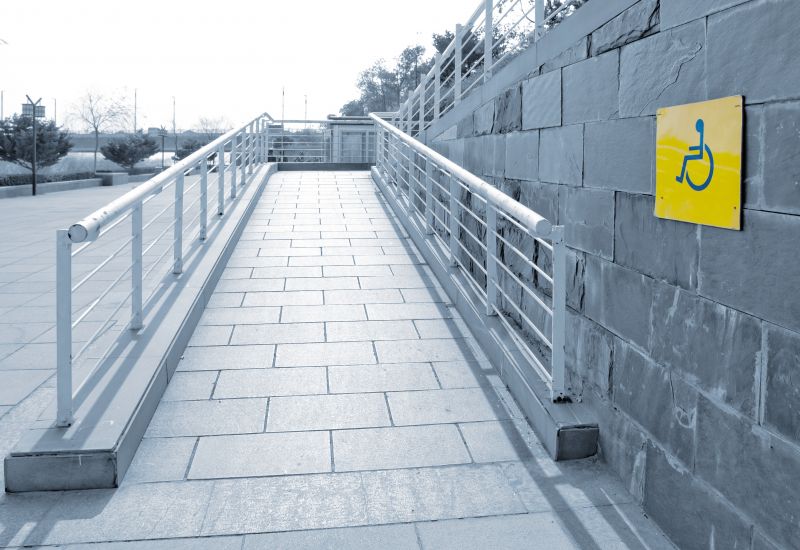
When comparing service providers for wheelchair ramp construction, it’s important to consider their experience with similar projects. Homeowners should look for contractors who have a proven track record of designing and building ramps that meet specific accessibility needs. Asking about past work can help gauge whether a local contractor has the relevant expertise to handle the unique requirements of each home, ensuring the project is completed safely and effectively.
Clear written expectations are essential when choosing a local contractor. Homeowners should seek detailed descriptions of the scope of work, materials to be used, and any other relevant details in the project proposal. This transparency helps prevent misunderstandings and provides a solid foundation for the project. Reputable service providers typically communicate these expectations clearly, making it easier for homeowners to assess whether the contractor’s approach aligns with their needs.
Good communication and reputable references are key indicators of a reliable local contractor. Homeowners are encouraged to ask for references from previous clients who had similar projects completed. Contacting these references can provide insight into the contractor’s professionalism, quality of work, and ability to meet deadlines. Effective communication throughout the process ensures questions are answered promptly and expectations are managed, leading to a smoother experience from initial consultation to project completion.
Property owners in Buford, GA use Wheelchair Ramp Construction services for practical projects around their homes and businesses. This guide focuses on everyday jobs and straightforward project options.
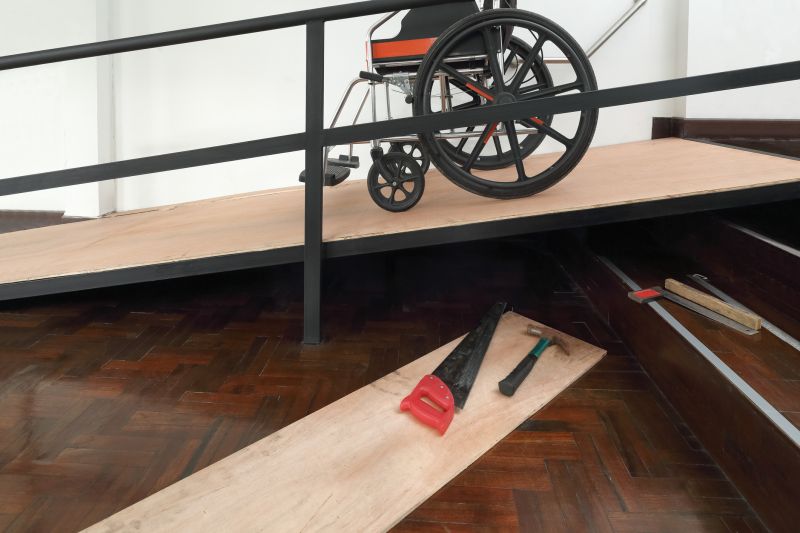
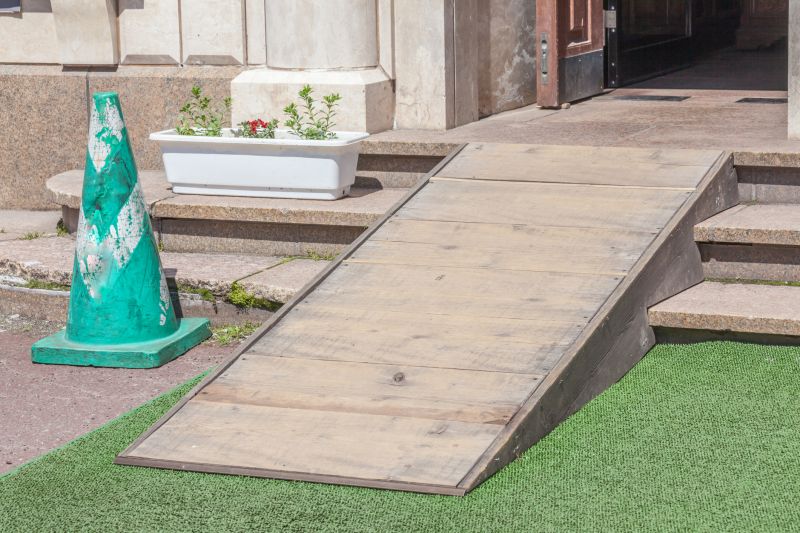
In Buford, GA, property owners might seek wheelchair ramp construction services when making modifications to accommodate mobility needs. This could include installing a ramp for a new home addition, making an existing entrance more accessible, or ensuring a property meets changing accessibility requirements. Local contractors can provide solutions that help residents and visitors move safely and comfortably between outdoor and indoor spaces, especially when steps or uneven surfaces present challenges.
Many property owners look for wheelchair ramp services after experiencing a temporary injury or health change that affects mobility. Additionally, those caring for elderly family members or individuals with disabilities may want to improve access to their homes. Local service providers can assist with practical, durable ramp installations that blend with the property’s existing features, making everyday activities easier and more inclusive for everyone.
What types of wheelchair ramps do local contractors install? Service providers in Buford, GA, typically install various types of ramps, including portable, modular, and custom-built options to suit different needs and spaces.
How can I determine the best ramp for my home? Local contractors can assess your property and mobility requirements to recommend the most appropriate ramp type and design for your specific situation.
What materials are commonly used in wheelchair ramp construction? Common materials include wood, aluminum, and composite materials, chosen based on durability, aesthetics, and suitability for the location.
Are there building codes or regulations that need to be followed? Yes, local service providers are familiar with building codes and accessibility standards that apply to wheelchair ramp construction in Buford, GA.
Can ramps be customized to fit unique spaces or aesthetic preferences? Many local contractors offer custom designs and modifications to ensure the ramp integrates well with the home’s appearance and fits specific spatial requirements.
Accessibility Improvements - Installing a wheelchair ramp can make entryways more accessible for individuals with mobility challenges, allowing easier access to homes and businesses.
Home Renovation Projects - Adding a ramp during home upgrades can enhance safety and convenience for residents who use wheelchairs or walkers.
Event or Gathering Accessibility - Temporary or permanent ramps can be used to ensure venues are accessible for guests with mobility devices.
Business Accessibility Compliance - Commercial property owners can improve compliance by installing ramps that provide barrier-free access for customers and employees.
If you are thinking about Wheelchair Ramp Construction for a property in Buford, GA, this guide is meant to help you understand the work, the typical project types, and how different options might fit your plans.
When you are ready, you can use the quote form on this page to share a few details about your project. From there, local pros can review the basics and respond with options that match what you have in mind.